Osnovna škola Matije Gupca
MYP2 and MYP3 Field Trip to Lika and Hrvatsko primorje

From May 8th to 10th, 2024 the MYP2 and MYP3 students went on a three-day field trip to Lika and Hrvatsko primorje. We visited Rastoke, Plitvice Lakes National Park, Grabovača Cave Park, Gacka Valley and ended our tour in the surrounding coastal area – Senj and Novi Vinodolski. We were accommodated at the Stara Lika Hotel in Gospić.
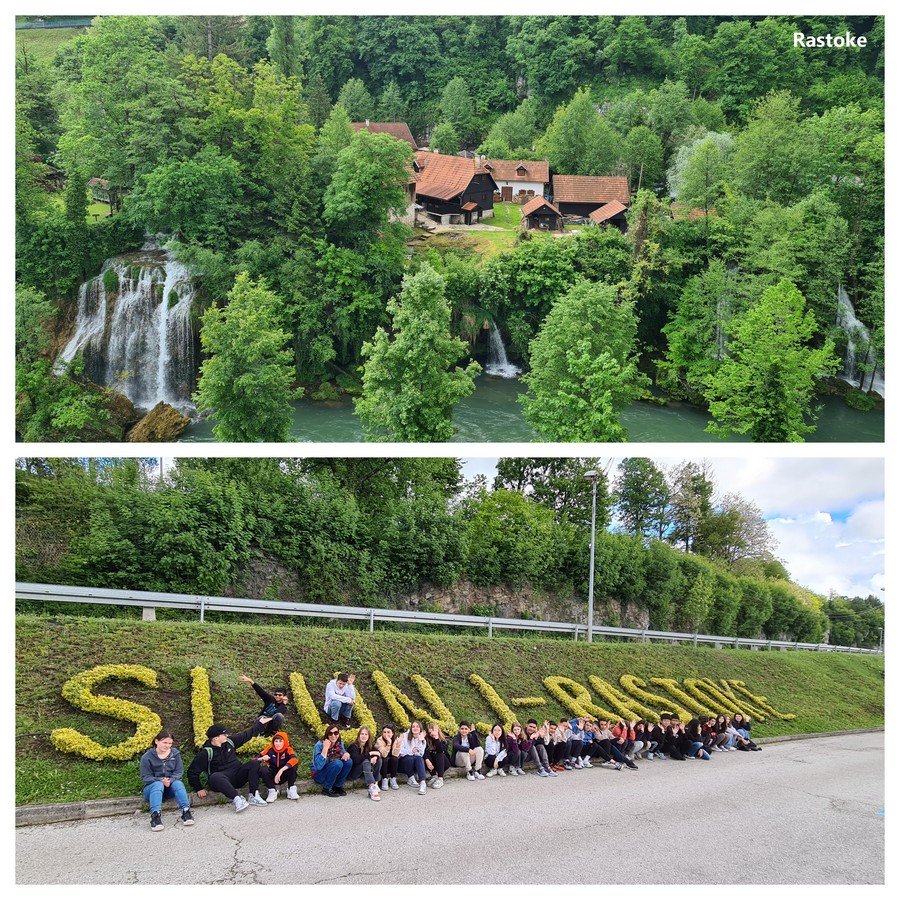
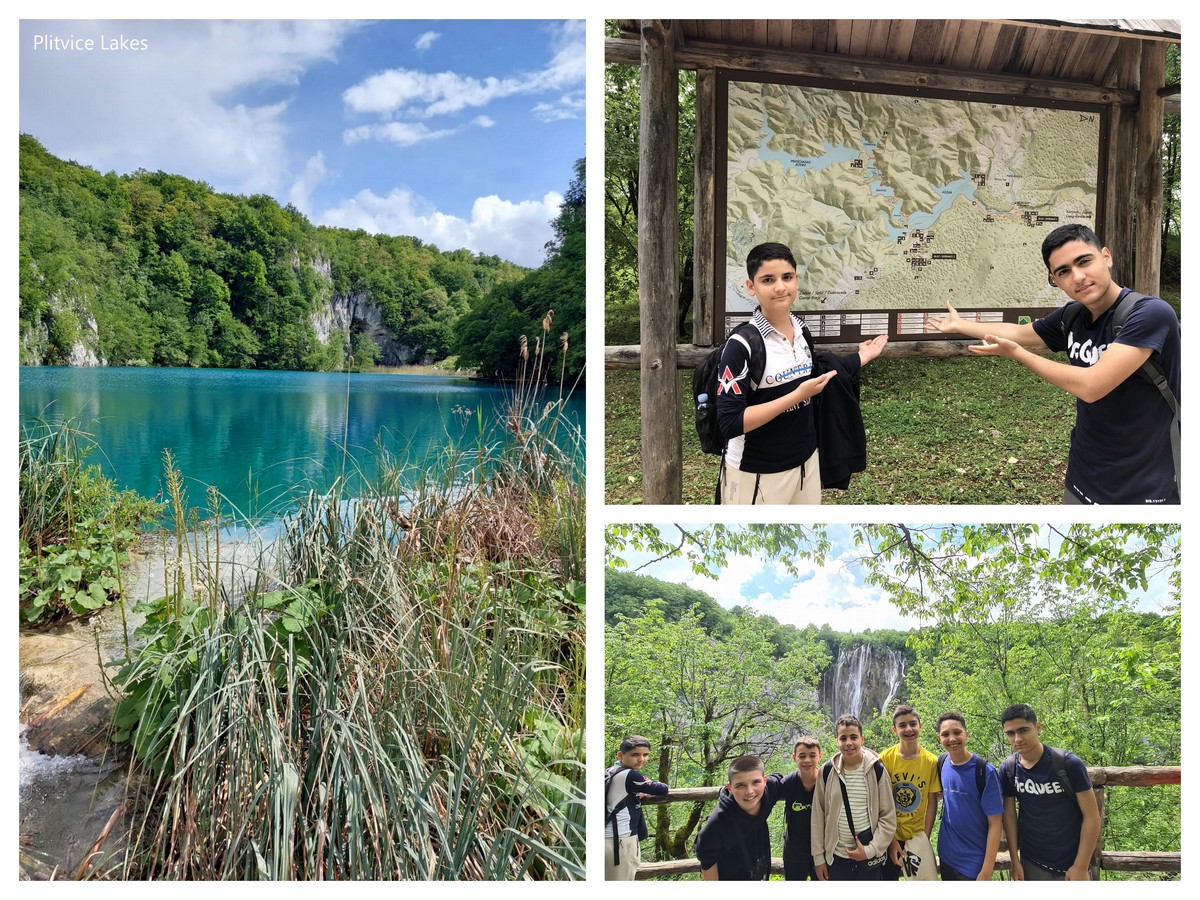
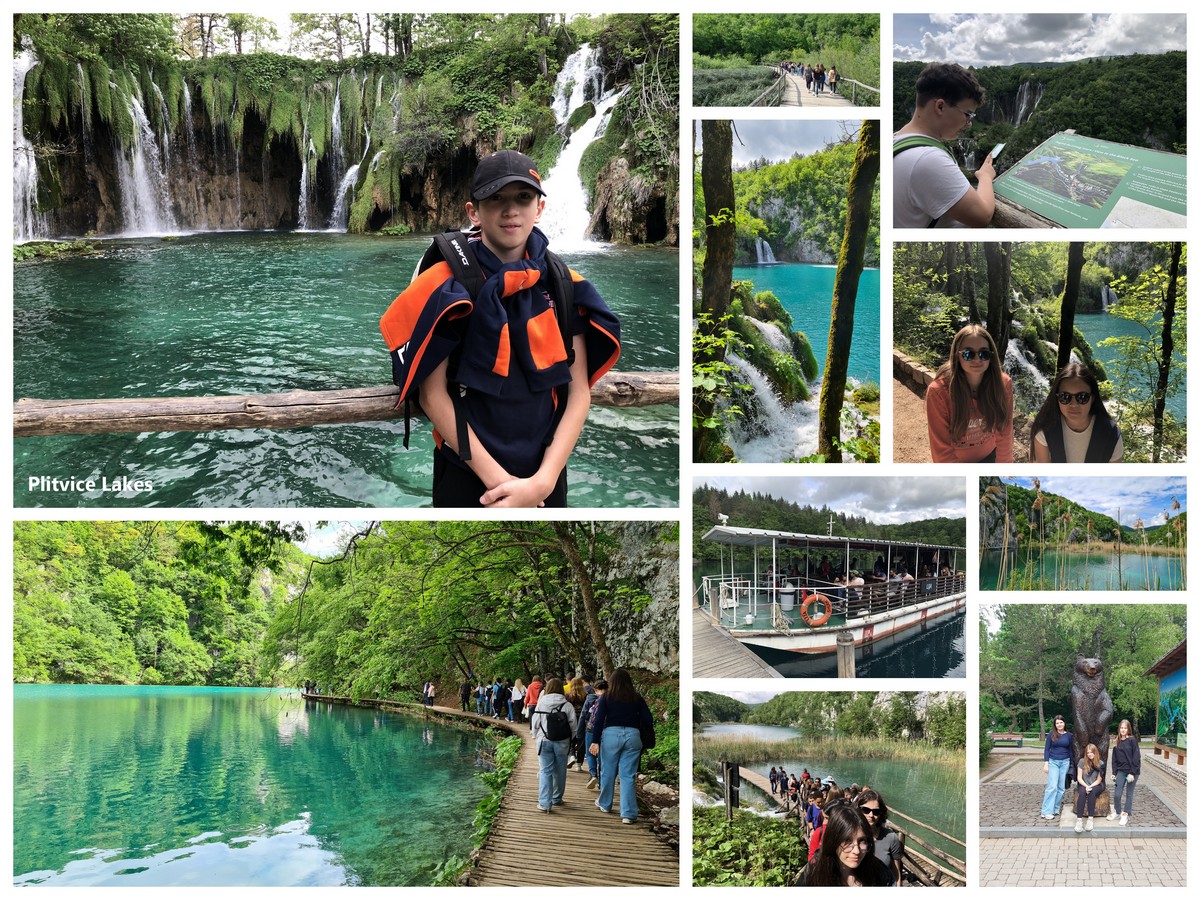
The first day began with a visit to the picturesque watermill village of Rastoke, the place where Korana and Slunjčica meet and where we enjoyed the view of the breath-taking waterfalls. The prettiest one was the Fairy’s Hair. After lunch we continued our tour in the Plitvice Lakes National Park where we admired the natural beauty of waterfalls and lakes during our walk combined with the boat and train ride. We saw the grandest Veliki slap (Great Waterfall), a must see for any visitor.
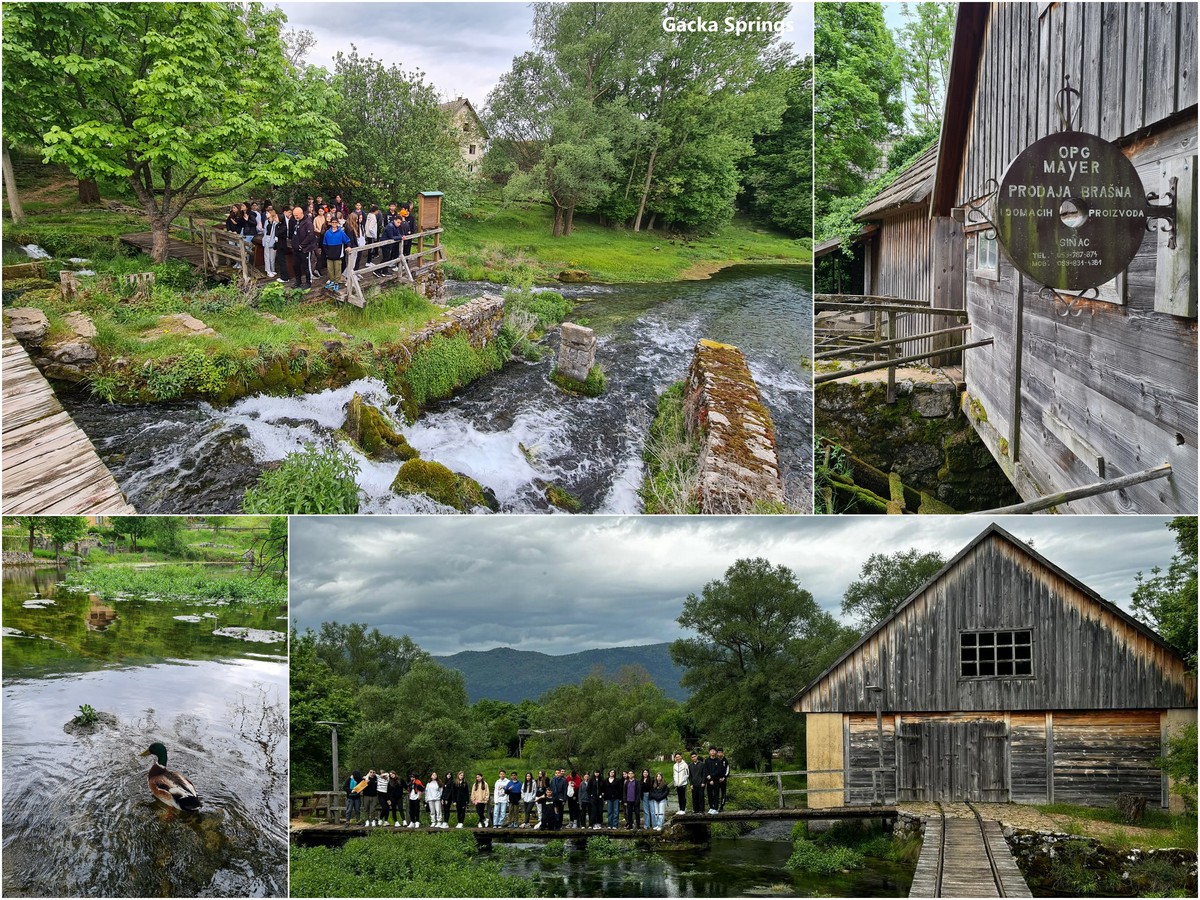
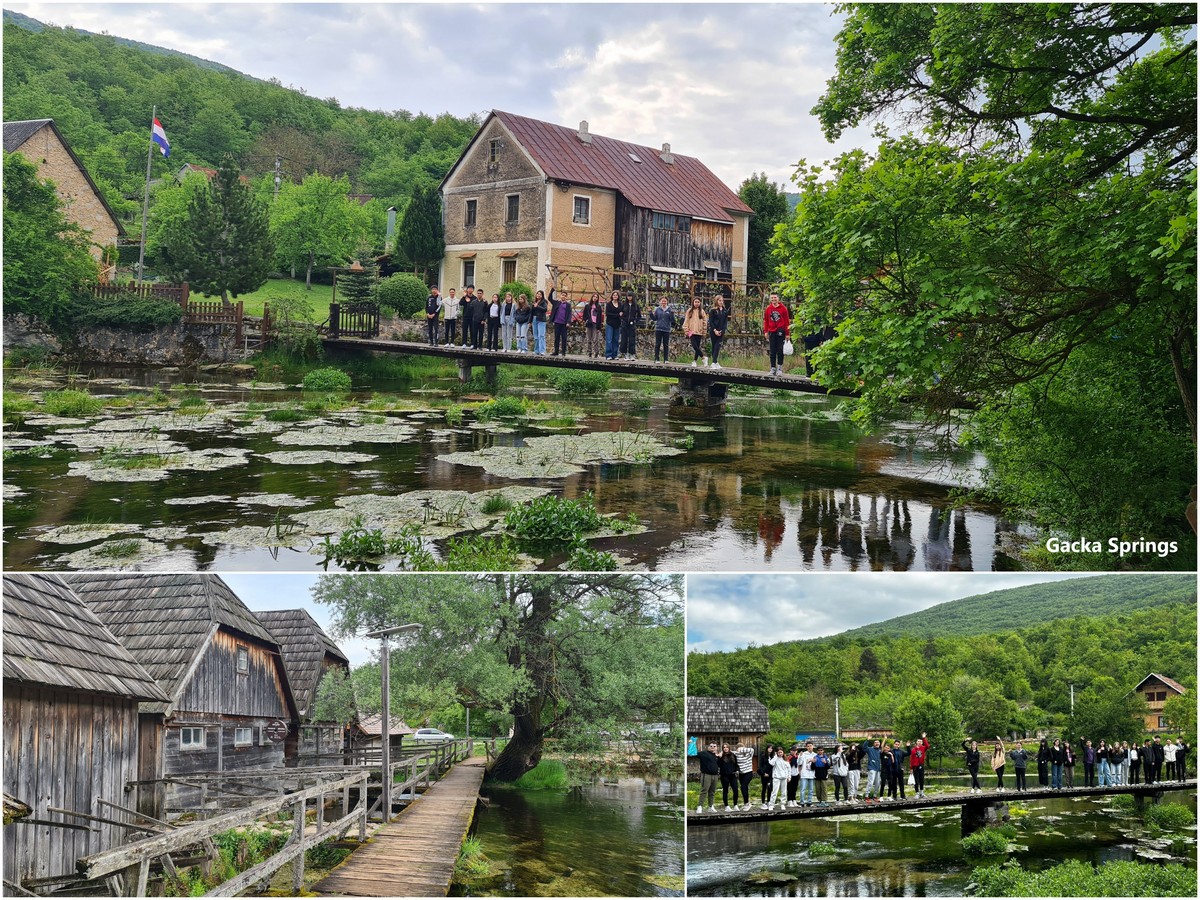
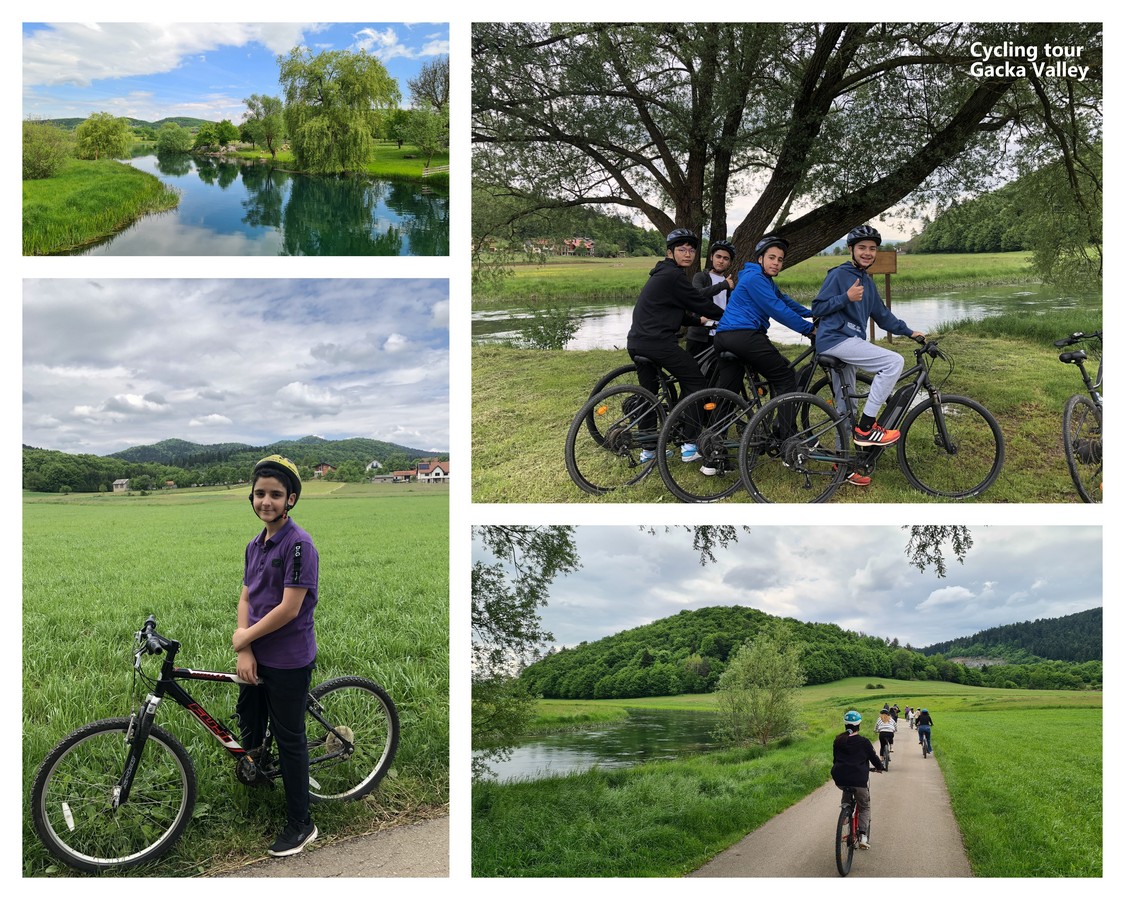
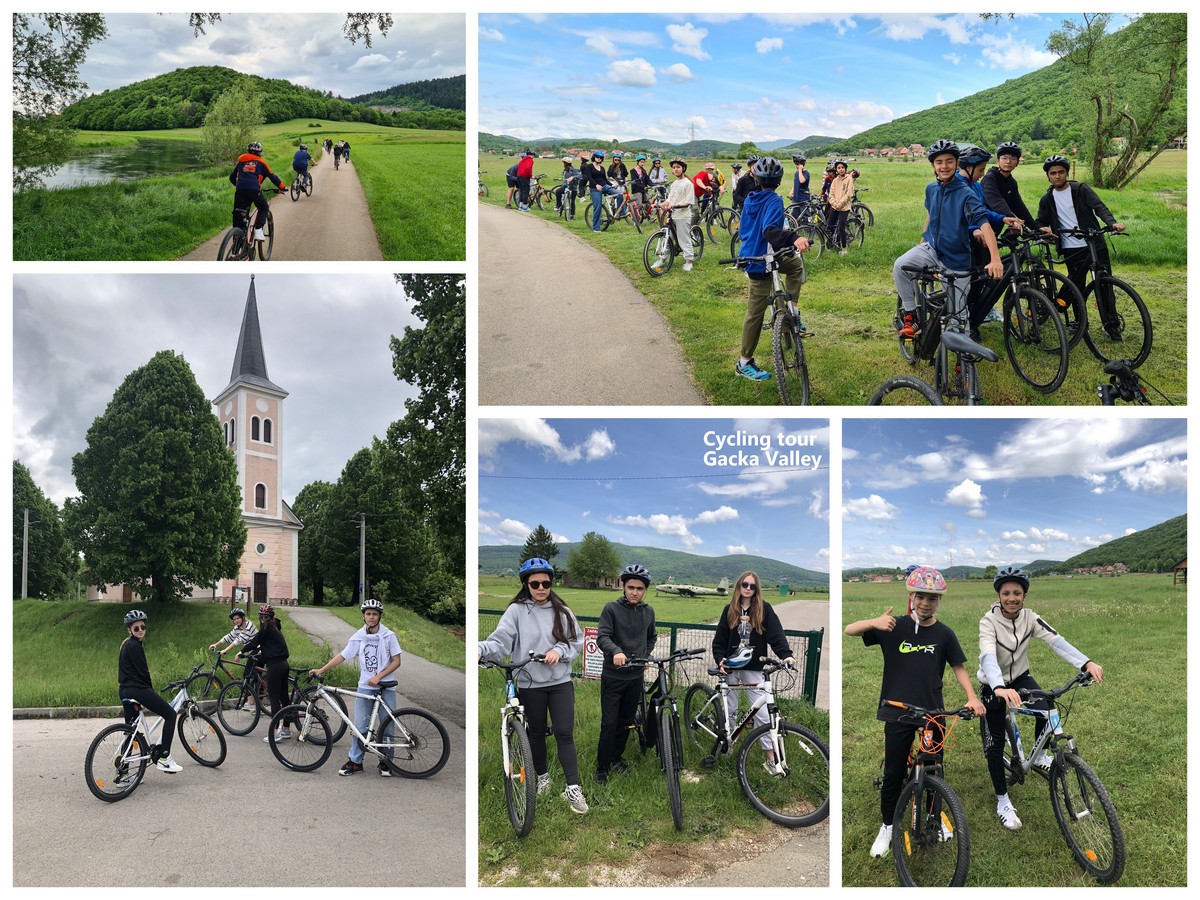
The following day began with a visit to the beautiful Gacka springs and Majerovo vrilo, where we learned about traditional grain milling techniques using millstones powered by the river. We had the opportunity to purchase homemade products as well. Following this educational experience, we went on a bike ride through the picturesque Gacka Valley, enjoying beautiful scenery and cycling along rural roads and off-road paths through forests, fields, and along the river.
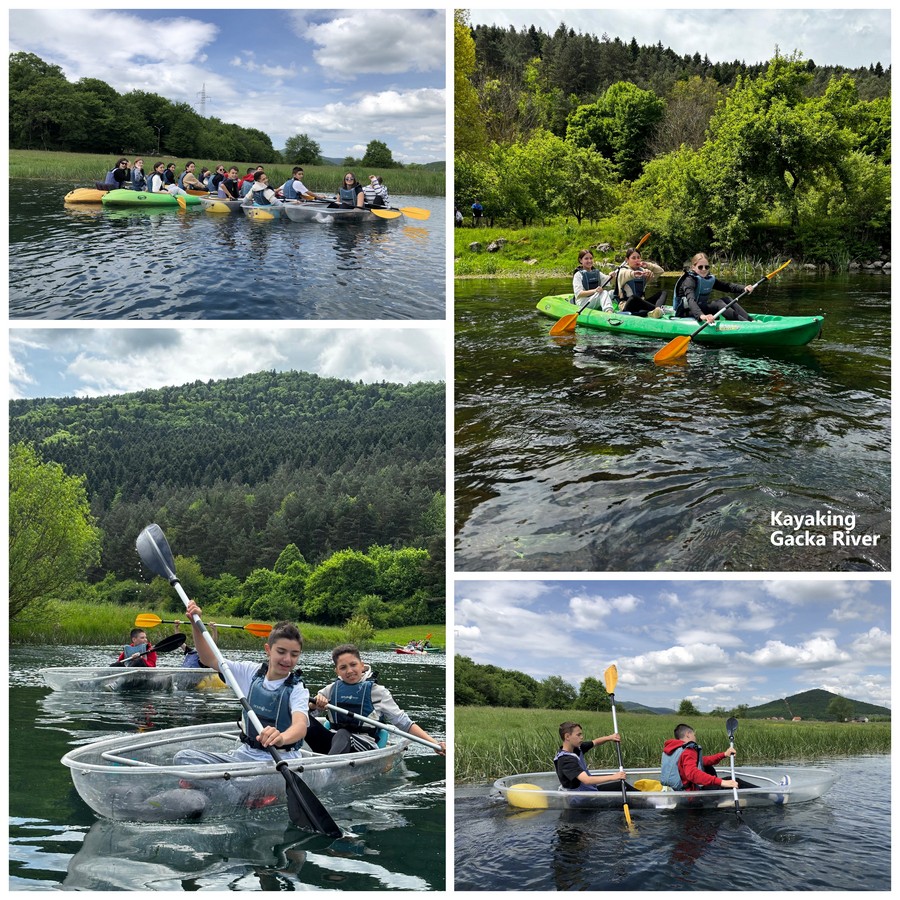
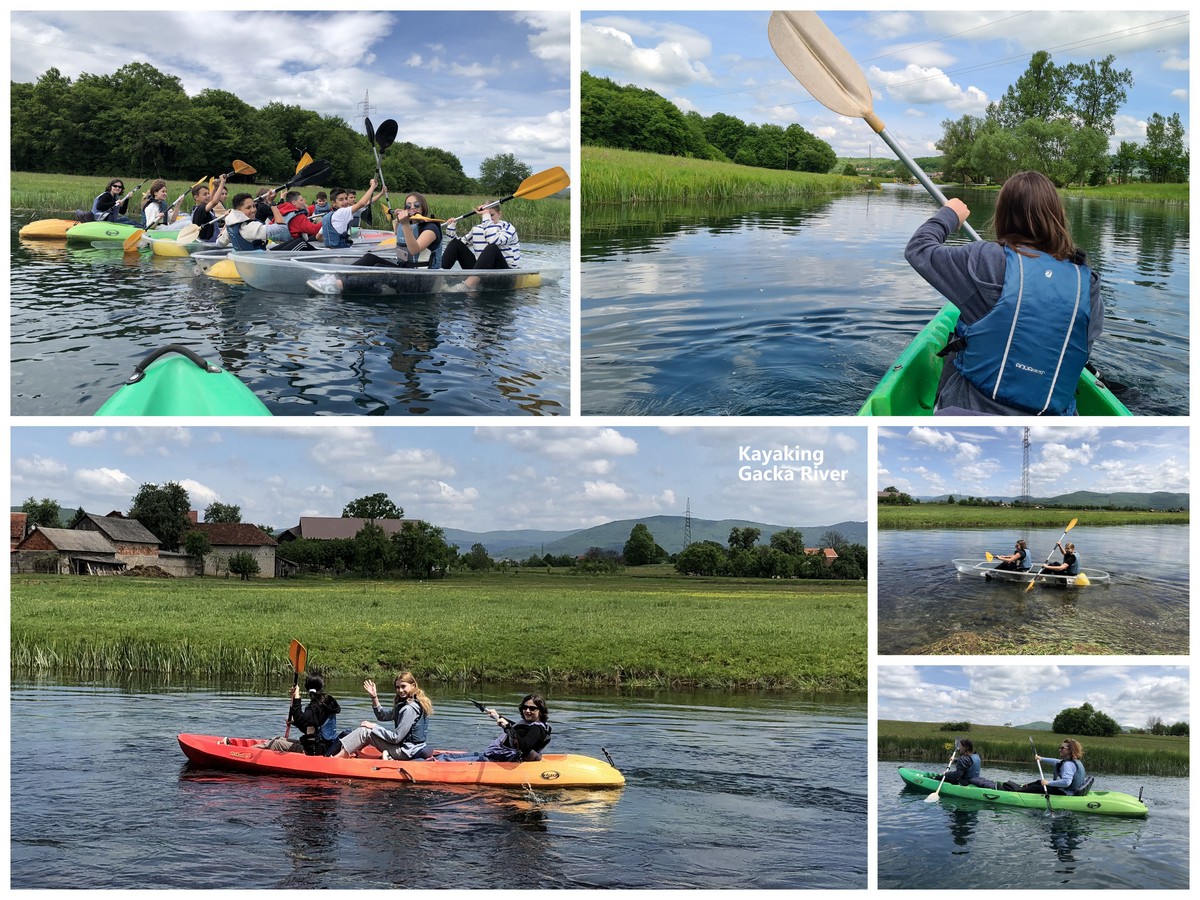
After our cycling tour we went kayaking down the beautiful Gacka River. As we glided along the peaceful river, we passed by charming countryside, with the occasional glimpse of wildlife such as birds and fish. The river was calm and easy to navigate, but it was quite a lot of exercise. We paddled 1.5 hours. This kayaking tour will not be soon forgotten. It was a great way to connect with nature, get some exercise, and relax in a peaceful and picturesque setting.
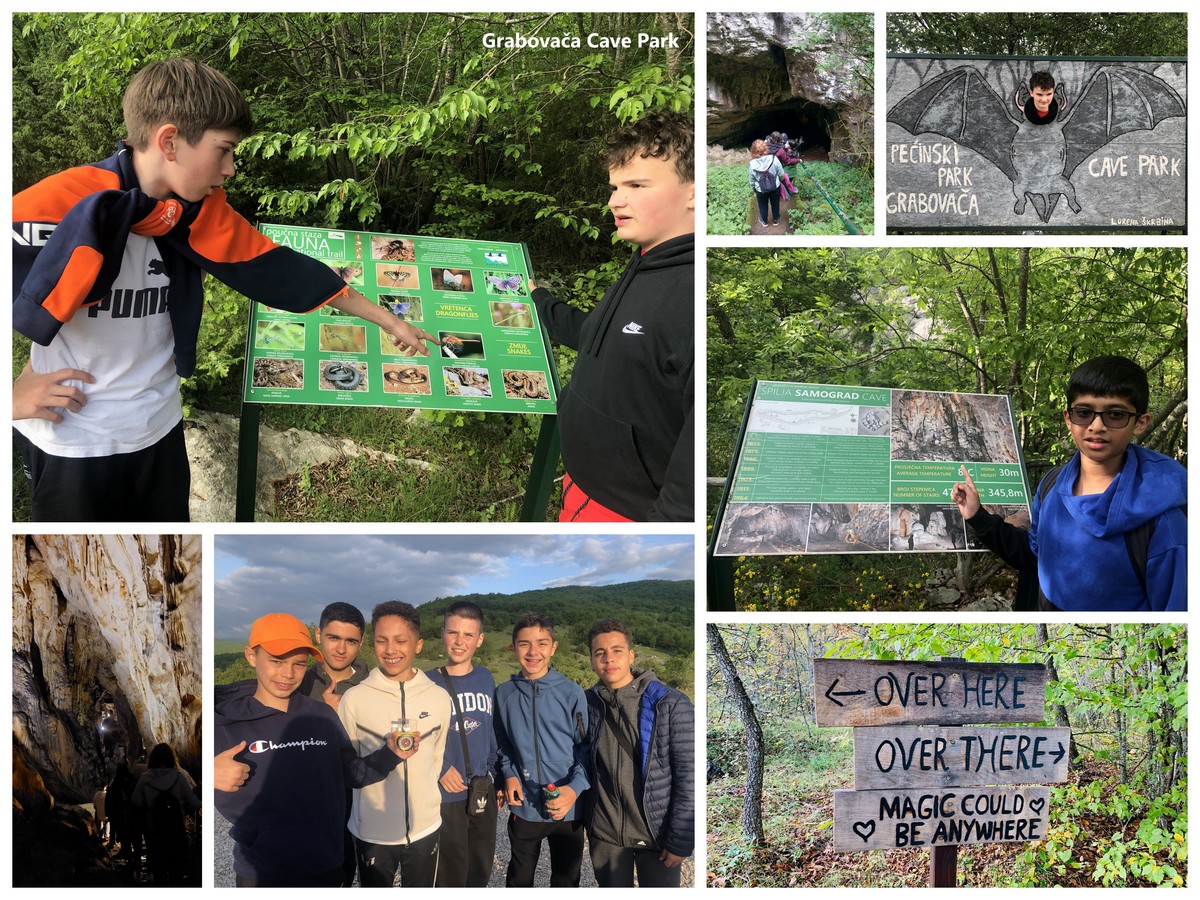
After sport-packed morning and lunch we headed to the Grabovača Cave Park to visit the Samograd Cave. Samograd Cave is the biggest and only touristic cave within the Park's area and the further we went, the more astonished we became. The cave has been lighted so that all stalactites and stalagmites, cave balconies and cave curtains became even more dramatic and we felt even smaller between these immense walls. We were amazed by the fact that the tallest stalagmite was over 20 metres tall and it took about 50 years for the stalagmite to grow 1 millimetre. The cave is 346 metres long and has 474 stairs. The deepest point of the cave is 53 metres below the surface and the tallest point is 30 metres high. After this amazing cave exploring we participated in the educational-ecological workshops. We learnt how to orientate in the nature using a compass, map and GPS.
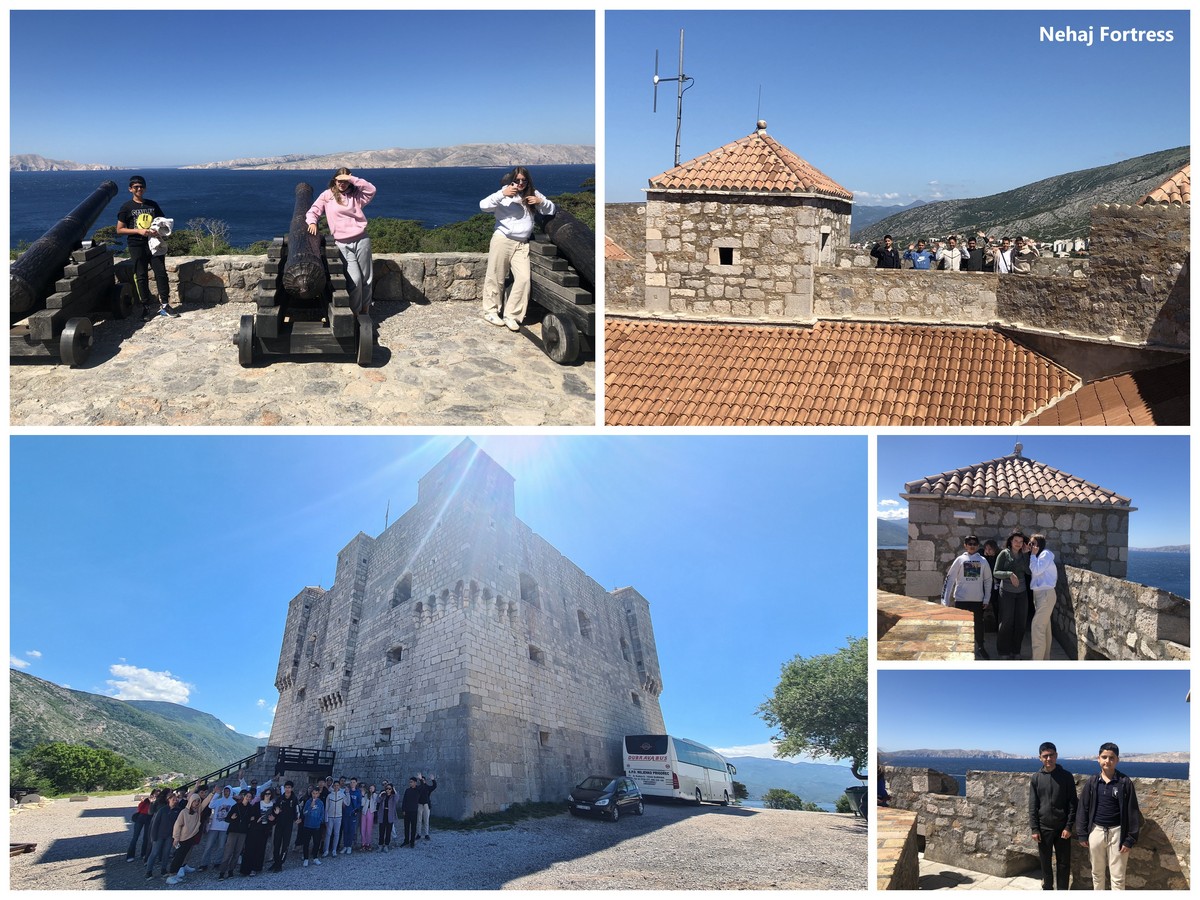
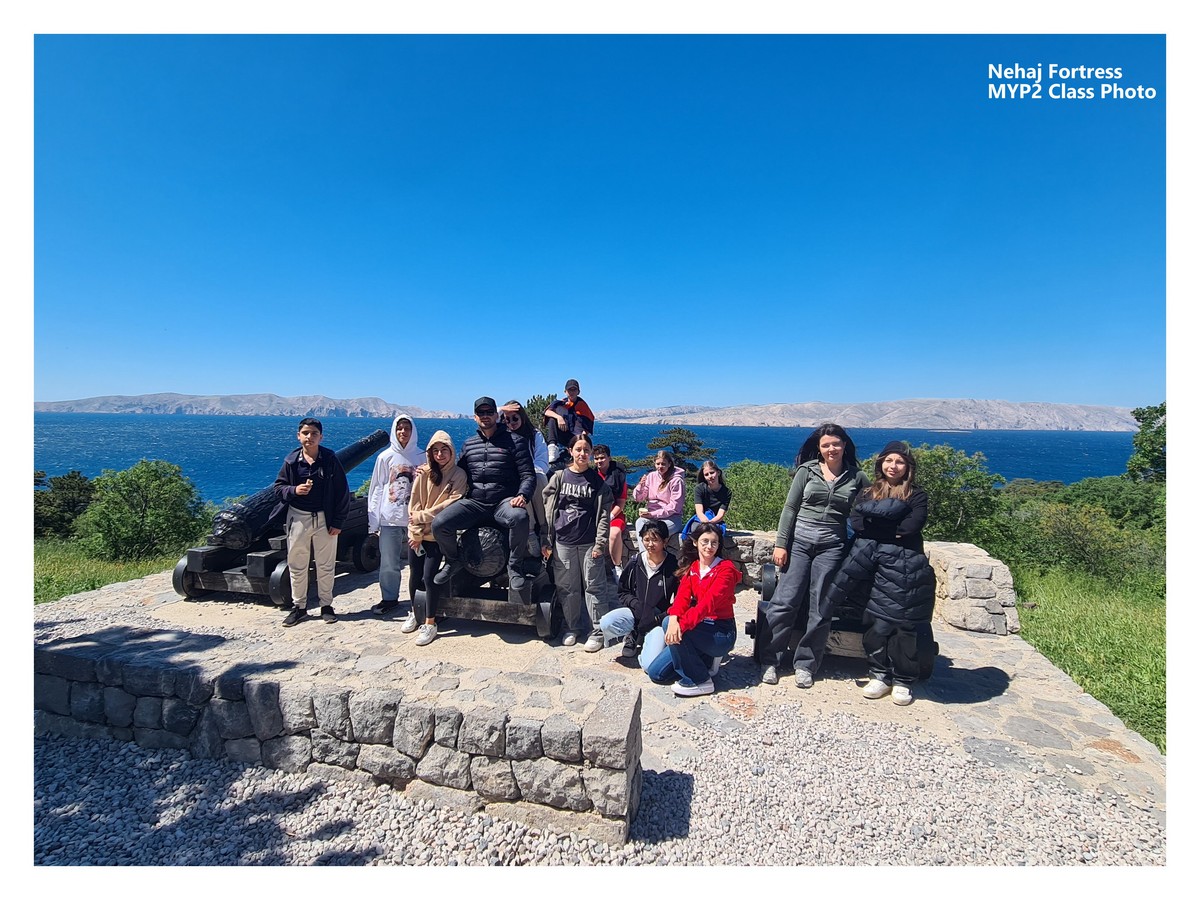
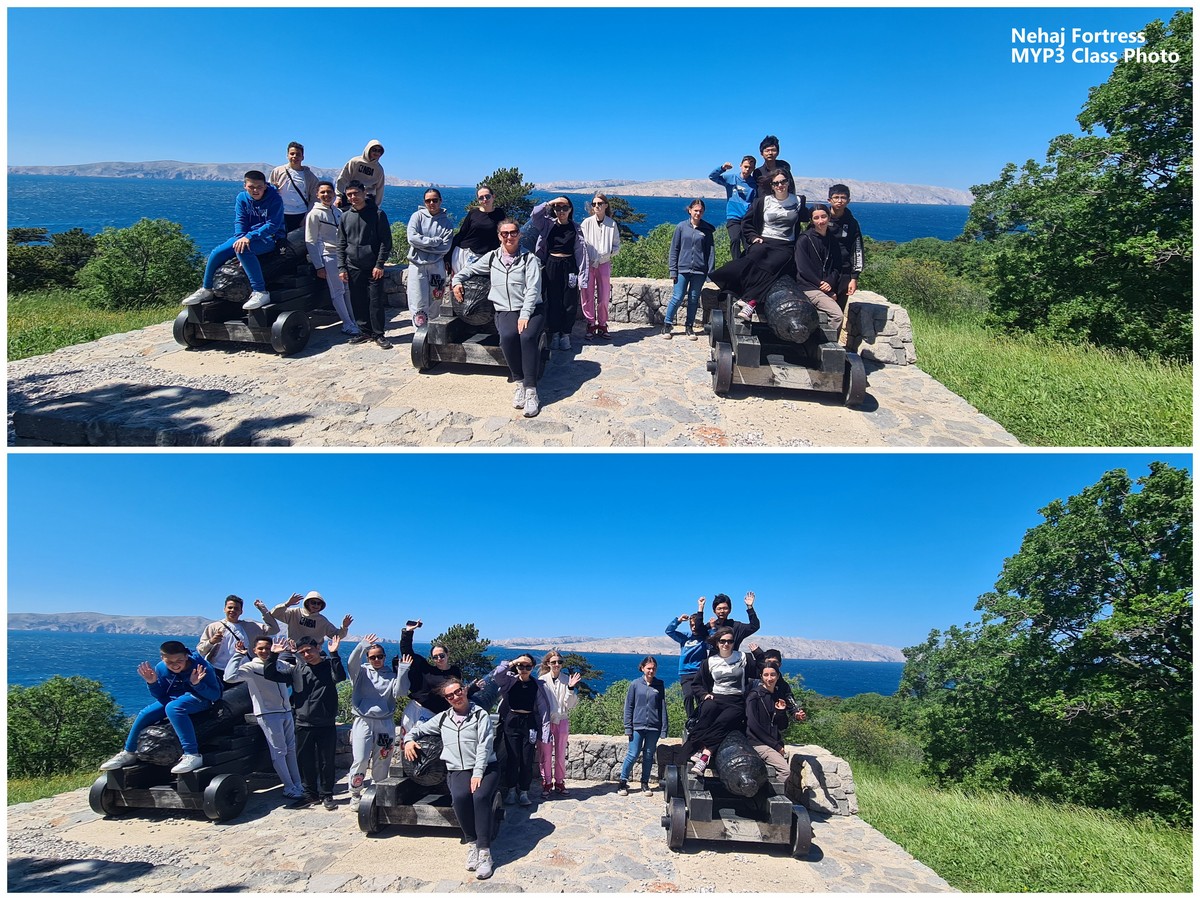
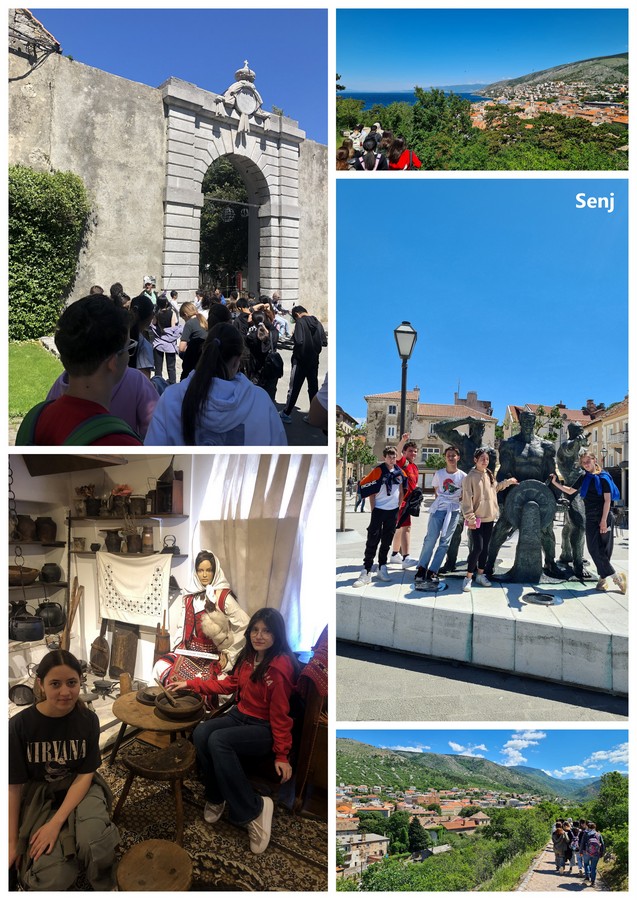
On the third day we visited the Nehaj Fortress in the town of Senj. This 465-year-old fortress was the key place for the Senj Uskoks when they were defending their town, and now is the symbol of the town of Senj. We saw a big collection of weapons, clothing and other artefacts on each floor as we made our way to the top of the fortress, where we admired a spectacular view of Senj and the Croatian coast. We continued our tour in the Senj Town Museum where we explored the archaeological collection, the hydro-archaeological collection, the collection of the recent history of Senj and the Homeland War, the ethnographic collection of the Bunjevac community and the collection of the Velebit flora and fauna.
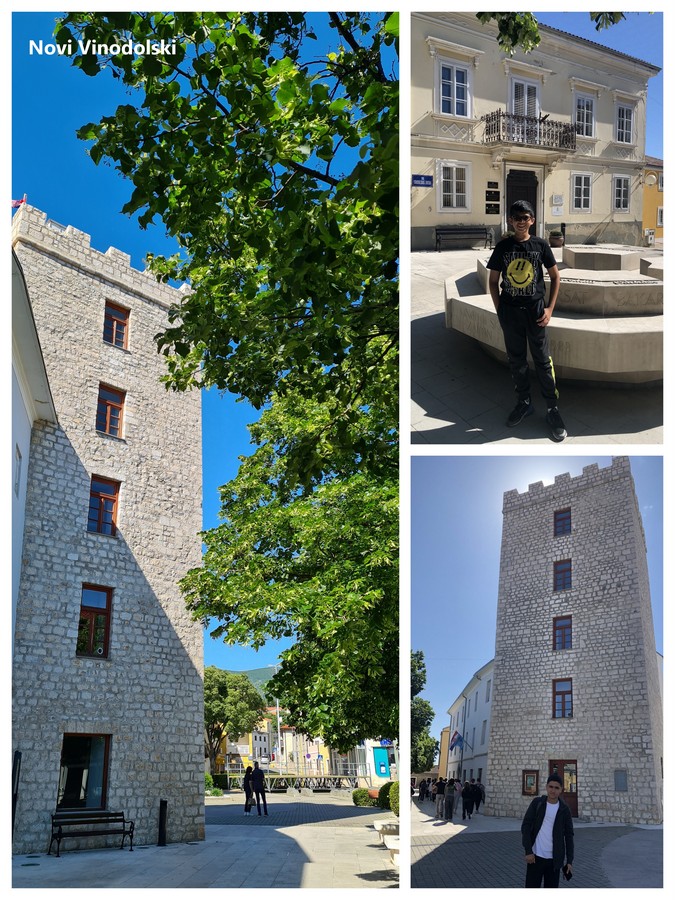
After lunch we continued our journey in the town of Novi Vinodolski. The name, Novi Vinodolski, comes from the nearby Vinodol Channel and is relatively recent. Before the town was simply called ‘Novi’. We saw the Francopan Castle where the ‘Vinodol Code’, the first Croatian law code was written in the Glagolitic script. We enjoyed the sunny weather and spending some time at the seaside after exploring the mountain region and before coming back home to Zagreb with many cherished memories of our field trip.